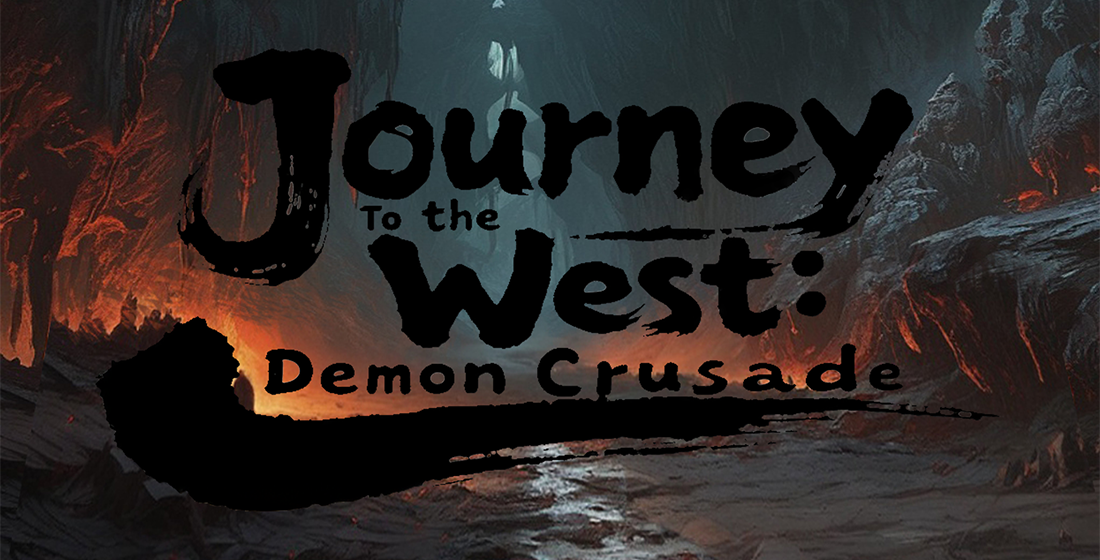
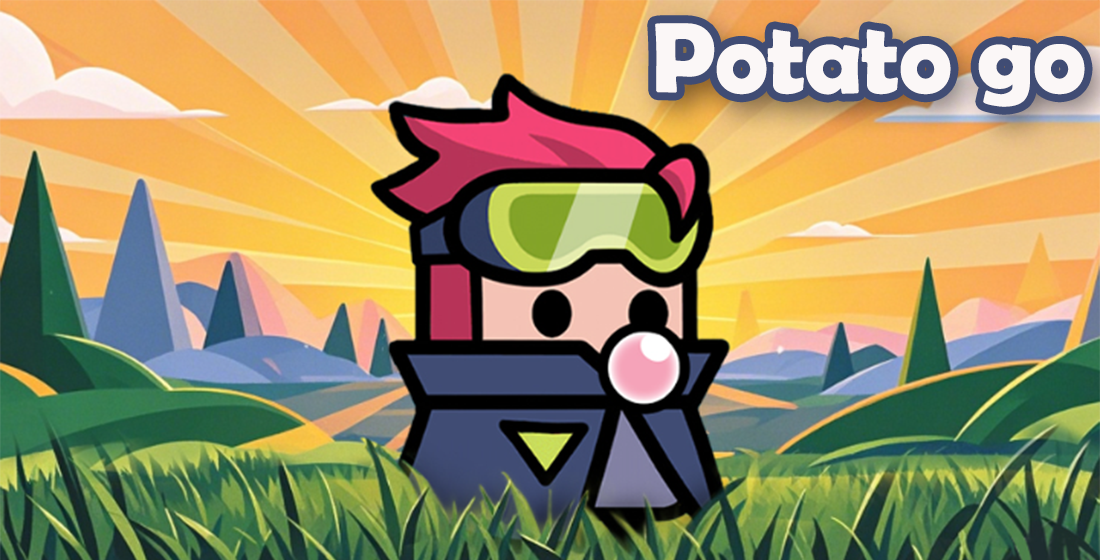
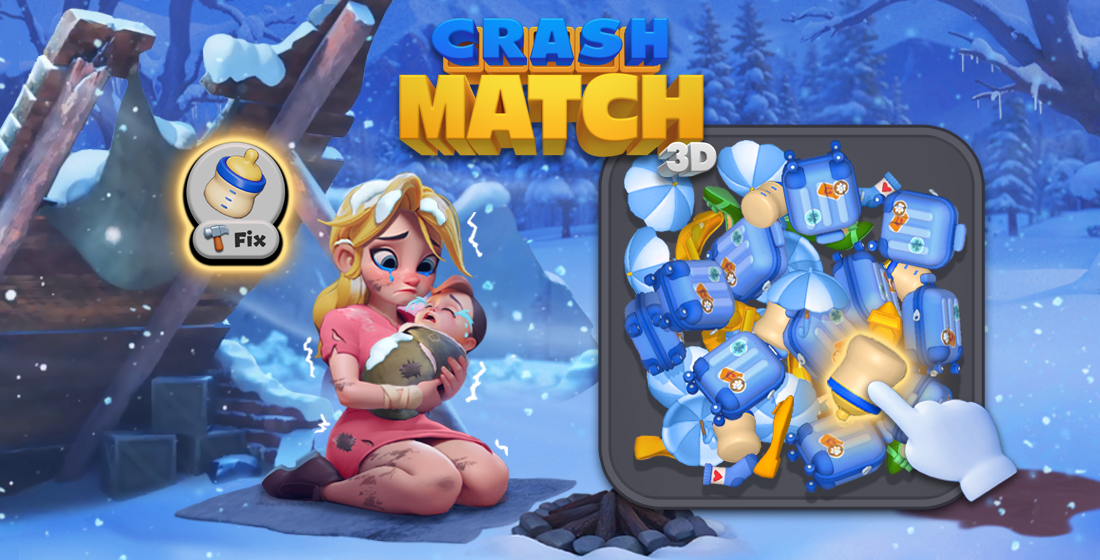
**In an era of digital abundance, casual games have taken on renewed meaning**, no longer seen solely as past-time flings but **indie games with substance**, depth, and heart—games that don't just entertain, but whisper tales of rebellion, wonder, **and the fragile beauty of slow-moving time**.
As mobile RPG games bloom like cherry blossoms in spring, we’re left pondering: what truly sets apart **these gems that dare to stand outside the thunderous crash of games like fornite in mid match?** Let’s drift through the haze of pixels, emotions, and quiet genius.
From Niche Whispers to Mainstream Reverie
Once relegated to the digital nooks of underground developers and quiet app corners—casual games today wear bold cloaks of storytelling and artistic innovation. Indie studios, fueled more by love than lucre, have **weaved gameplay with the intimacy of poems**, turning fleeting tap-and-swipe moments into **narratives worthy of remembrance.**
Unlike triple-A spectacles, these games embrace slowness—not as a weakness, but as **an invitation to savor moments lost elsewhere**: the quiet chime as you level up, the gentle rustle of autumn leaves, or **the faint hum in the background when dialogue fades.**
| Indie Casual RPGs | Traditional AAA RPGs | |
|---|---|---|
| Pacing | Meandering & Reflective | Driven |
| Budget | Limited | Global Studio Level |
| Aesthetic | Crafted to the last brush-stroke | Crisp, polished |
| Player Retention | Via emotional resonance | Mechanically rewarding loops |
| Gameplay | Deceptive Simplicity | Progression-Filled Complexity |
Silent Rebellion Through Minimal Controls
The genius of **indie-driven casual gameplay** lies not in explosions—but in the **powerful stillness within every action**. Tap, slide, wait: three gestures that redefine player autonomy.
This minimalism invites reflection, allowing space for thoughts to unfold like origami on rain-soaked pavements in Tokyo.
- Minimal controls mean maximal emotional impact.
- Sometimes silence is the most powerful action in a game world—especially during a Fortnite crash at a pivotal point mid-match.
- Slow gameplay can be rebellious: it defies fast expectations.
When Casual Games Begin to Weave Lore
Gone are the days where casual meant shallow. **Today's indie developers embed lore like haiku into every swipe of a finger**—poetic, precise, and powerful in their economy.
This new breed of rpg games mobile apps carries with it not merely skill trees and stats, but worlds that pulse with the heartbeat of forgotten myths and modern solitude:
"You can play them during your commute home from Shibuya... and still feel something that lasts the entire night."
Mobile RPGs on the Shoulders of Story
The magic happens not in kirbiness of mechanics or graphical splendor, but in the quiet way a story unfolds. Whether you're crafting a campfire in a virtual forest or bartering with spirits under moonless skies—every action breathes like a haiku composed by hand, by those who care enough to slow time for us all.
**Here’s what these games offer beneath the casual guise:**
- Ambient sound design as emotional narrative.
- Mood-driven gameplay: no rushing allowed.
- Crafted minimalist aesthetics with deep cultural motifs.
- Slow, but emotionally rewarding character progression.
Patch Notes: Heart Over Hype
One might mistake these games as niche or even obscure—yet their dedicated player communities hum like fireflies, each one finding comfort in their unique rhythm.
In Japan, the love affair with mobile RPGs has matured—transformed from mindless gacha pulls into immersive journeys filled with character and cultural depth. These **new-generation casual titles echo themes from the ukiyo-e of old–capturing transient yet poignant slices of emotion—through pixels instead of brushstrokes.
Final Thought and a Quiet Hope
Indie creators aren't chasing trends or trying to fix a fortnite server lag—they’re chasing the moments we often overlook in life: the first sip of tea, the sound a raindrop makes before merging with others—small joys made eternal in interactive storytelling.
In these indie creations lies our collective need not to dominate a world (though some games may ask it), but simply—to inhabit it, briefly and beautifully.